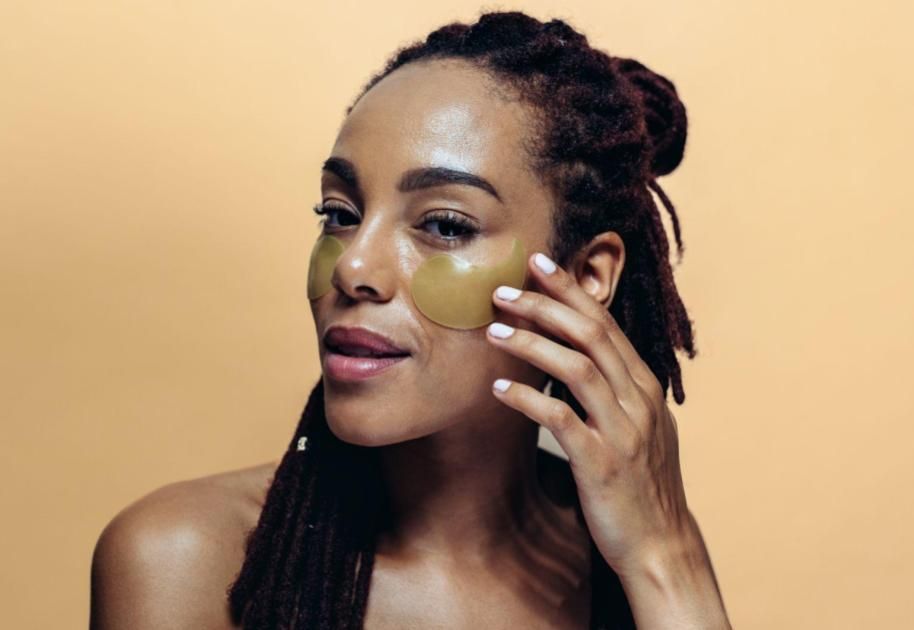
The longevity economy isn't waiting for 50+. Discover how behavioral data reveals the 4 non-obvious truths reshaping consumption across all generations.
Brands still targeting the "50+ silver economy," may have already missed the shift. The longevity economy isn't waiting for boomers to age into it—it's reshaping consumption across every generation, starting decades before 50.
Women aged 25-34 are the most engaged cohort with longevity content—not the 50+ audience brands chase. In the last 12 months, longevity content generated 500 million engagements and 10 billion views, with brands like Acorns, Rare Beauty, and ZOE winning by targeting behaviors, not birthdays.
Winnin analyzed 900,000+ videos with 25 billion total views to decode what's actually driving this shift.
[Download the full report here] to see the four non-obvious truths rewriting the playbook for finance, beauty, wellness, and CPG.
The 4 Non-Obvious Truths About the Longevity Economy
1. Longevity Is a Spectrum—Not a Single Path
Consumers aren't choosing between aging gracefully or fighting aging. They're doing both.
The same audiences consuming "Grandmacore" content are also engaging with "YOLO culture." They're buying collagen at 16 while following "age-appropriate skincare." They're practicing "conscious spending" while indulging in "doomspending."
The data: Retirement planning rose 161% (Jan-Aug '24 vs '25) while "Little Treat Culture" spiked around Valentine's Day. Consumers aren't confused—they're integrating opposing behaviors into a new longevity mindset that demographic targeting can't capture.
2. Control Is the New Luxury
In the longevity economy, luxury isn't status—it's control over aging through data, personalization, and optimization.
Age management content (morning routines, smart rings, glycemic control, biohacking) generated 144.9 million engagements and 3.3 billion views in 12 months—up 55.6% year-over-year. The bolder the claim to control longevity, the higher the engagement.
Brands like ZOE win by offering agency, not promises. At-home tests and continuous glucose monitors transform abstract health goals into measurable systems. The shift: Consumers demand proof, not marketing claims.
3. Generations Are Dead. Long Live Lifestyles.
Age boundaries are collapsing. Content celebrating "ageless living" generated 174.5 million engagements and 1.7 billion views in 12 months. Hashtags like #Over50 and #Over60 drove 40+ million engagements.
This isn't niche—it's a mainstream rebellion against generational marketing. From "The Old Gays" to fashion for older adults to dating after 50, community matters more than age. The implication: Brands targeting "Gen Z" or "boomers" miss the real opportunity in lifestyle shifts that transcend demographics entirely.
4. Age-Neutral Design Unlocks New Markets
Longevity isn't just about anti-aging. It's about designing products, experiences, and communication that work for aging bodies—without making aging the focus.
Age-friendly design and adaptive beauty products saw 51% growth from January–July 2024 to 2025, generating 23 million engagements and 660.9 million views. When Rare Beauty launched its accessible perfume packaging in July 2025, "Accessible Products" exploded to 1.57 million in relevance—130 times higher than June.
The insight? Age-neutral design doesn't limit your market—it expands it. By solving real pain points (like easier-to-open packaging for those with limited strength), brands can unlock creativity that resonates across demographics while building loyalty with aging consumers.
What Does This Means for Brands?
The longevity economy isn't a campaign—it's a platform. Brands that win will stop targeting demographics and start targeting behaviors. They'll move beyond promises and start delivering proof. And they'll build systems—not one-off activations—that align product, experience, and communication around what consumers are actually doing, not what they say they want.
Here's the framework:
Think cross-category, not siloed: Longevity is reshaping finance, CPG, beauty, wellness, and beyond. Your strategy needs to reflect that.
Target behaviors, not birthdays: Ageless living is a strong trend. Focus on lifestyle shifts across age groups, not demographic boxes.
Proof beats promises: Longevity messaging requires data, personalization, and authenticity. Audiences engage with bold claims—but only when backed by evidence.
Build systems, not campaigns: Real traction happens when product, experience, and communication align around a consistent longevity platform.
Trends to Watch in the Longevity Economy
The data is already signaling what's next:
- PDRN in Skincare (a molecule from salmon DNA): +6,000% growth in relevance from January–August 2024 to 2025
- NAD+ Supplements (supporting cellular repair): +200% growth in relevance
- Smart Rings: 519.4 million views and 25.5 million engagements in the last 12 months
- Estrogen-Boosting Foods: +80% growth in relevance
- No Buy/Low Buy Challenges: 64.2 million views and 5.2 million engagements
These aren't fringe movements—they're emerging demand spaces backed by behavioral data. Brands that move early will own the narrative.
Culture Is Not Optional. Lead with Winnin Intelligence.
The longevity economy is already here. And the brands winning aren't the ones selling to age groups—they're the ones shaping culture by understanding behaviors.
Winnin's Cultural Intelligence platform analyzes over 4 billion cross-platform videos to map and decode emerging cultural trends before they go mainstream. By transforming video consumption data into strategic intelligence, we help CMOs move from reactive monitoring to predictive growth strategies built on what people actually do.
Download the full Cultural Intelligence Report: The Paradox of Age to see how behavioral data is reshaping the longevity economy—and why the brands that lead will be the ones that understand culture, not demographics.