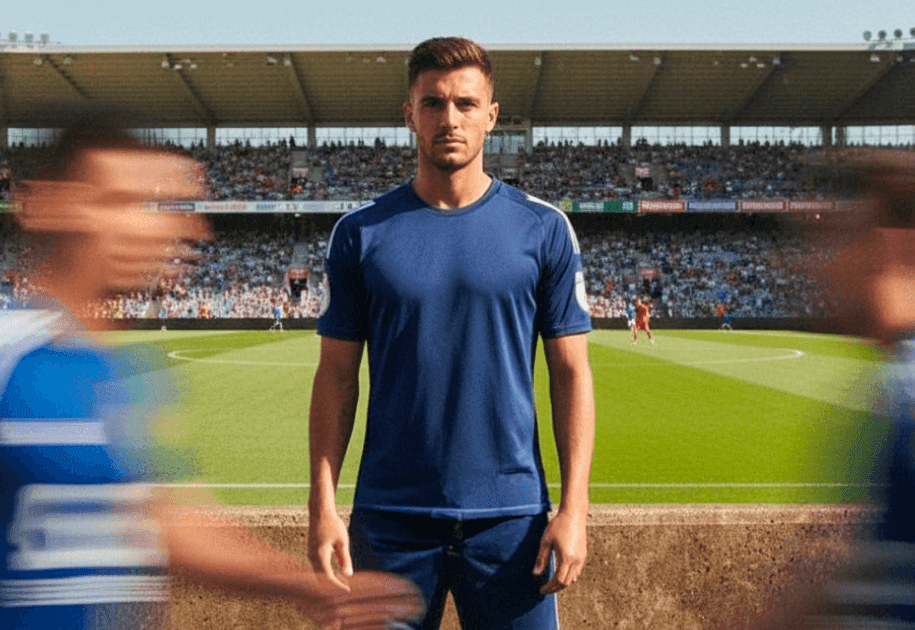
The traditional sports fan—the one-dimensional, jersey-wearing loyalist glued to every game—doesn't exist anymore. Or better put: they exist, but brands keep marketing to a version of them that's no longer real.
Global sports events still command massive audiences. The FIFA World Cup, the Olympics, the Super Bowl—these are cultural campfires that unite billions. But here's what's changed in sports marketing trends for 2026: unified focus no longer means unified narrative.
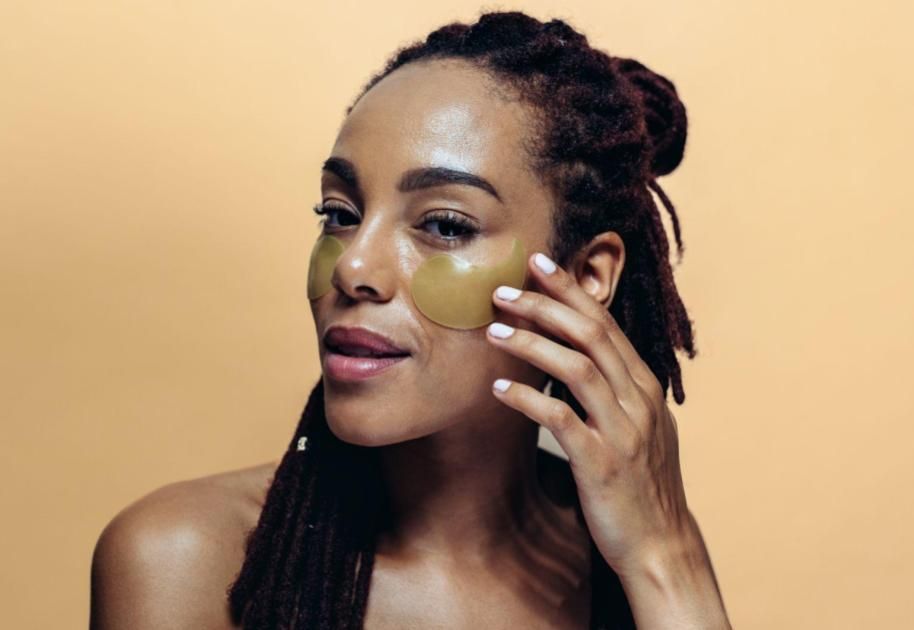
Sports culture has splintered into infinite subcultures where soccer meets anime, F1 intersects with Fortnite, and rugby collides with beauty trends. We call this passion fusion—and it's one of the defining sports marketing trends for 2026, completely transforming how brands win attention during major sports moments.
*This article explores key findings from Winnin's Cultural Intelligence Report "The New Era of Sports Fandom." Want the full playbook on passion fusion, AI-powered creativity, and how to win the 2026 World Cup? [Download the complete report here].
Why Traditional Sports Marketing Targeting Fails in 2026
For decades, brands activated around sports with a simple playbook: identify the demographic (mostly male, competitive, team-loyal), create broadcast spots, sponsor the event, and watch the impressions roll in.
That model is breaking.
Our analysis of 8M+ videos, 430B+ views, and 21B+ engagements across global sports events over the past three years reveals a fundamental shift. While traditional sports media remains consolidated, alternative sports media—podcasters, streamers, independent publishers—has skyrocketed, driven by the explosion of creator-led content and broader formats.
The data is clear: relevance in sports culture is no longer about reaching "sports fans." It's about understanding where sports intersect with the passions people actually care about.
The Passion Fusion Effect: When Fandoms Collide
At the 2024 Paris Olympics, Samsung's "Victory Selfie" campaign didn't just sponsor athletes—it turned them into 360° cultural icons. By placing Galaxy phones on Olympic podiums and encouraging athletes to take their own victory photos, Samsung tapped into what we call the aesthetic fan: someone who consumes sports culture for its visual identity and codes, not necessarily for competition or team loyalty.
The result? Samsung captured 35% of UGC engagement among Olympic sponsors, outperforming competitors who stuck to traditional activation models.
This wasn't an accident. It was passion fusion in action.
People aren't just watching the game anymore. They're curating outfits inspired by athletes, creating recipe content for game-day watch parties, discussing player drama like it's reality TV, and remixing match footage with trending audio.
The Winnin data backs this up: in the last three years, fashion and sportswear content around global sports events captured 82.6M engagements in North America. When you look at North America and LATAM together, entertainment intersecting with sports drove 84.3M engagements, while food and beverage brands hit 92.4M.
Three Sports Marketing Trends Reshaping Fan Culture in 2026
1. Communities Remix
Sports culture is no longer a monologue from leagues and broadcasters. It's a constant dialogue where symbols, aesthetics, and meanings are co-created in real time between athletes and fans.
The rise of "blokecore", "retro cool," and "brazilcore" as aesthetic movements shows how fans extract visual and cultural codes from sports and remix them into broader lifestyle identities. Athletes aren't just competitors—they're style icons, content creators, and cultural symbols that fans appropriate for their own expression.
2. Fluid Connections
National identity in sports is getting more complex. During the FIFA Club World Cup, Latin American clubs like Flamengo, Palmeiras, and Botafogo generated higher engagement than tournament winner Chelsea and European powerhouses PSG and Real Madrid—because viewers connected with regional pride and underdog narratives that transcended pure athletic performance.
Cultural belonging now matters as much as national loyalty. Fans adopt "second teams" based on storylines: the poorest country competing, the team with the most compelling backstory, the squad that represents values they identify with.
For the 2026 World Cup, tracking potential underdogs like Cape Verde, Uzbekistan, and Haiti is already generating engagement momentum— months before the tournament begins.
3. AI-Powered Creativity
AI isn't just a tool—it's accelerating how fans remix and reimagine sports culture. In the past 12 months, Winnin data shows that AI-powered soccer content generated 47% more average views than traditional soccer content.
Fans are creating alternate match scores, generating fictional tournament brackets, building Roblox versions of World Cup stadiums, and producing AI-generated athlete fashion collaborations. Reality and simulation are blending, and brands that only activate around official moments are missing the cultural conversation happening in these remixed realities.
2026 World Cup Marketing: Three Trends Already Shaping the Tournament
Cultural signals are already pointing to how the 2026 FIFA World Cup will be experienced:
"2016 is Back"
The 2016 aesthetic revival (think: Instagram's early visual style, specific music from that era) is colliding with World Cup anticipation. Mentions of "2016 is back" grew 90% in the final months of 2025, according to Winnin data. Expect the tournament to be filtered through nostalgic vibes, throwback playlists, and retro visual references.
Artificial Realities
Over the past year, Winnin Data also shows that AI-generated World Cup content produced 900K+ engagements from just 168 videos. Fans will experience the tournament both on the field and across AI-created alternate versions: fictional matches, simulated outcomes, generated analysis that blurs the line between what happened and what could have happened.
Underdog Mania
The underdog narrative is now a structural expectation. Audiences actively seek out "second teams" to root for based on compelling storylines, not just national pride.
What These Sports Marketing Trends Mean for Brands in 2026
Understanding sports marketing trends is one thing. Activating them is another. Here's how to adapt:
Stop targeting "sports fans" as a single persona. Start mapping passion intersections. Where does your brand's territory overlap with sports culture—style? Food? Entertainment? Tech? Beauty? That's your entry point.
Build for storylines, not just sponsorships. The brands winning attention during sports moments are the ones creating or amplifying narratives that fans actually care about—underdog journeys, aesthetic movements, cultural belonging, playful disruption.
Embrace the remix. Official moments are just one version of the cultural truth. Fan-created content, AI-generated realities, and alternative media narratives are equally influential. Your activation strategy needs to engage with all of it.
Move at the speed of culture. By the time a trend consolidates, it's already over. The brands that win are monitoring real-time cultural signals and activating while the moment is still forming—not after it's peaked.
The Future of Sports Marketing: Beyond 2026
Global sports events still create unified focus. But the era of unified narrative is over. The sports marketing trends defining 2026 show us that culture is being written by millions of fans remixing, reimagining, and reinventing what these moments mean—in real time, across infinite niches, at the intersection of passions that have nothing to do with the final score.
The brands that win won't be necessarily the ones with the biggest sponsorship deals. They'll be the ones who understand that sports culture is no longer about the game. It's about what fans do with the game—how they express belonging, signal identity, create meaning, and connect with the passions that actually matter to them.
Want to stay ahead of sports marketing trends and decode what's coming next? The cultural signals are already there. You just need the right intelligence to see them.
Want to map the next trends before your competition does? Download the full Cultural Intelligence Report “The New Era of Sports Fandom” [here].
About the Cultural Intelligence Report “The New Era of Sports Fandom”
This article is based on findings from Winnin's Cultural Intelligence Report on Sports Fandom, analyzing 8M+ videos, 430B+ views, and 21B+ engagements across TikTok, Instagram, YouTube, Twitch, and Facebook over the past three years. The analysis covers global sports events across LATAM, North America, Europe, and APAC markets.
The full report "The New Era of Sports Fandom" includes:
✓ Exclusive data on passion fusion and fan behavior
✓ Actionable insights for the 2026 World Cup
✓ Case studies of brands that won (and lost) the battle for attention