NAD+ supplements grew 200%. Collagen waters are everywhere. See how beverages became longevity tools—and what that means for brand growth in 2025.
Hydration used to be simple. Water. Coffee. Maybe a juice. Now? It's a strategy. Winnin Intelligence's analysis of the longevity economy reveals that beverages have become one of the fastest-growing cultural spaces at the intersection of health and habit. In just the past year, conversations around NAD+ supplements, collagen-infused drinks, and smart hydration grew over 200% in relevance, generating billions of views and millions of engagements.
The shift isn't about trends. It's about transformation: beverages have evolved from refreshment to regeneration.
Download Winnin’s new Cultural Intelligence Report — The Paradox of Age — and uncover four non-obvious truths that are rewriting the rules for finance, beauty, wellness, and consumer goods worldwide.
Why People Are Turning Drinks Into Rituals
Longevity culture has reframed how people think about small, daily behaviors. Every choice—what you drink, when you drink it, how you prepare it—becomes a micro-decision in a larger system of self-optimization.
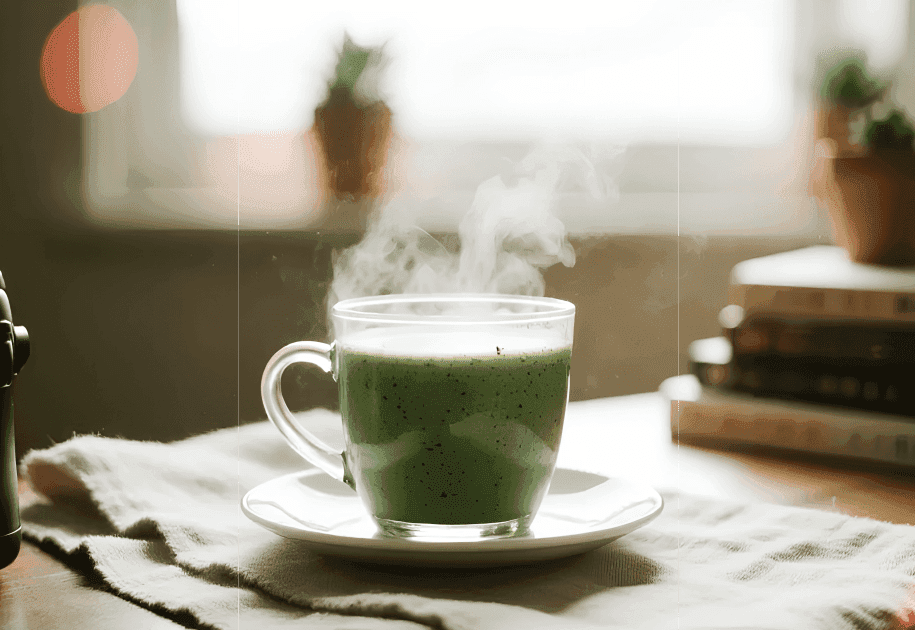
Morning collagen coffee. Post-workout electrolyte blends. Evening nootropic teas. These aren't just drinks. They're rituals of control—habitual touchpoints where people feel like they're actively managing their energy, focus, and future.
Winnin's data shows that audiences aren't just choosing based on flavor anymore. They're buying based on function: cellular repair, improved sleep, sharper focus, better skin.
The promise isn't "this tastes good." It's "this tastes good and works."
The Science-Meets-Story Opportunity
Here's the pattern brands need to understand: the more a drink promises measurable results, the more attention it earns.
But there's a caveat. Science alone isn't enough. Consumers want proof—but they also want it wrapped in a story they can relate to. That's where the best beverage brands are finding their edge: blending data-backed claims with emotional resonance.
Take NAD+ supplements, which grew 200% in relevance. The science is complex (cellular energy production, DNA repair, anti-aging at the molecular level). But the brands winning attention aren't leading with biochemistry lectures. They're leading with outcomes: "Feel more energized. Think more clearly. Age better."
It's not dumbing down the science. It's translating it into the language of lived experience.
Control as the New Status Symbol
In longevity culture, luxury has been redefined. It's no longer about exclusivity or price point. It's about agency—the ability to own your time, health, and habits.
Beverages have become one of the easiest, most frequent ways people access that feeling of control. A morning routine built around biohacked coffee. A personalized wellness shot. A hydration blend optimized for recovery.
These products aren't just functional—they're symbolic. They signal precision living. Intentionality. Self-mastery.
For beverage brands, this means the competitive landscape has shifted. Performance and science are now as important as taste and branding. Maybe more so.
What Beverage Brands Need to Do
The opportunity is massive—but so is the expectation. Here's how to stay relevant:
Design products that work with time, not against it.
Longevity isn't a campaign hook. It's a value system. Build products that fit into long-term health strategies, not just short-term fixes. Think systems, not slogans.
Blend transparency with transformation.
Consumers want to know what's in the bottle and why it matters. Ingredient education, dosage clarity, sourcing transparency—all of this builds trust. And trust, in the longevity economy, converts.
Think ritual, not routine.
The most powerful products fit seamlessly into people's lives. They're not an extra step—they're part of the flow. Position your drinks as rituals of self-care, and they become non-negotiable parts of someone's day.
The Bottom Line: Beverages Are Identity Now
The brands that understand this aren't just selling drinks—they're selling a sense of agency, optimization, and intentional living.
In a market where attention is fleeting and loyalty is earned daily, beverages that help people feel in control of their health are the ones building sustainable growth.
Download Winnin Intelligence's full Longevity Cultural Report to see how control, behavior, and science are reshaping the beverage industry—and which emerging trends will define the next wave of innovation.